Yangzijiang Maritime to Add Up to 16 Eco-Ships; Fleet Asset Pool Expands to 50
Introduction
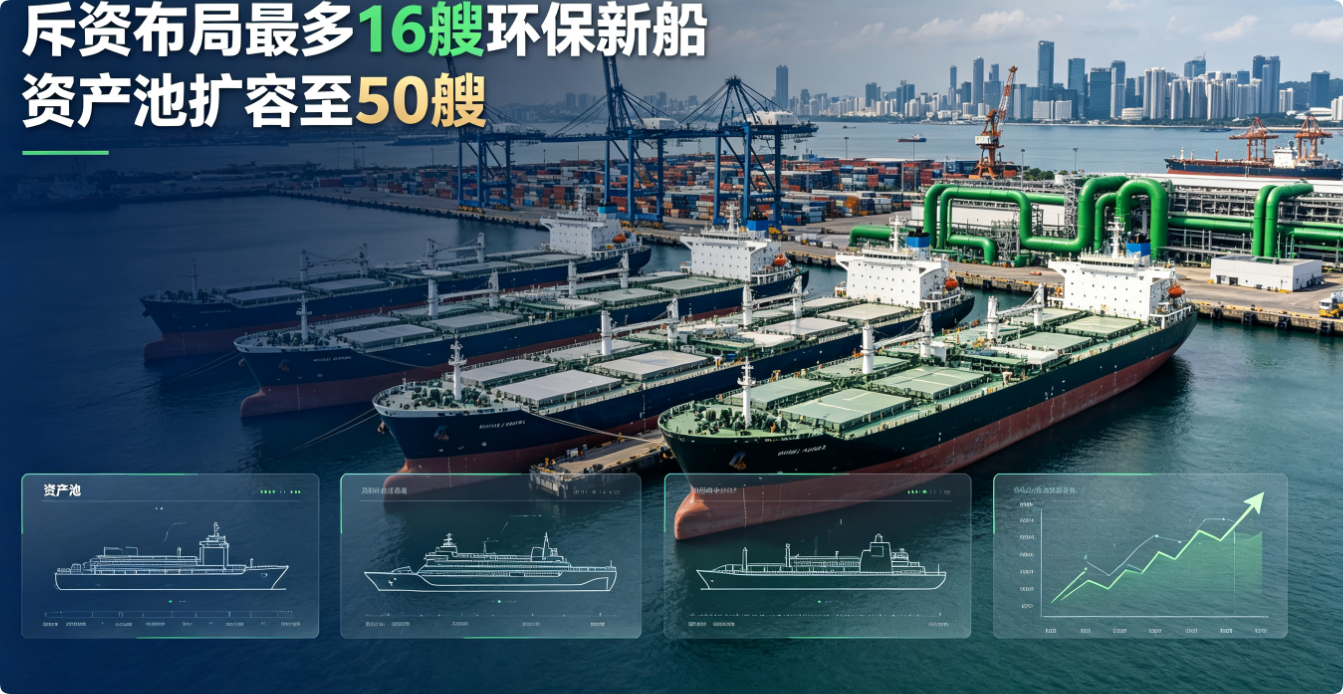
In January 2026, Singapore Exchange-listed shipping leasing company Yangzijiang Maritime (8YZ) announced a major newbuilding program, signing shipbuilding agreements with several domestic yards, locking in 6 firm orders plus 10 option vessels, for a total of up to 16 low-carbon eco-friendly ships. Once implemented, the company's total firm and option vessels under construction will reach 50, further diversifying its fleet of bulk carriers, product tankers, and ocean tankers, leveraging ample cash reserves to expand green ship leasing.
I. Key Details of New Ship Orders
The planned vessels cover three mainstream ship types, all equipped with energy-saving and low-carbon designs meeting IMO CII and EEXI emission standards:
- 40,000 DWT dry bulk carrier, suitable for short-haul transport of minerals and grains in Southeast Asia and Australia;
- 49,800 DWT product tanker, serving cross-border trade of chemicals and refined oil in Asia-Pacific;
- 114,000 DWT LR2 ocean tanker, for long-haul crude oil transport routes from the Middle East to the Far East.
Delivery schedules are concentrated between 2027 and 2029, delivered in batches. The company can flexibly exercise the options for 10 vessels based on shipping market rates and institutional leasing demand, controlling fleet expansion pace to avoid cyclical downturns.
II. Fleet Scale Upgraded, Asset Pool Expands to 50
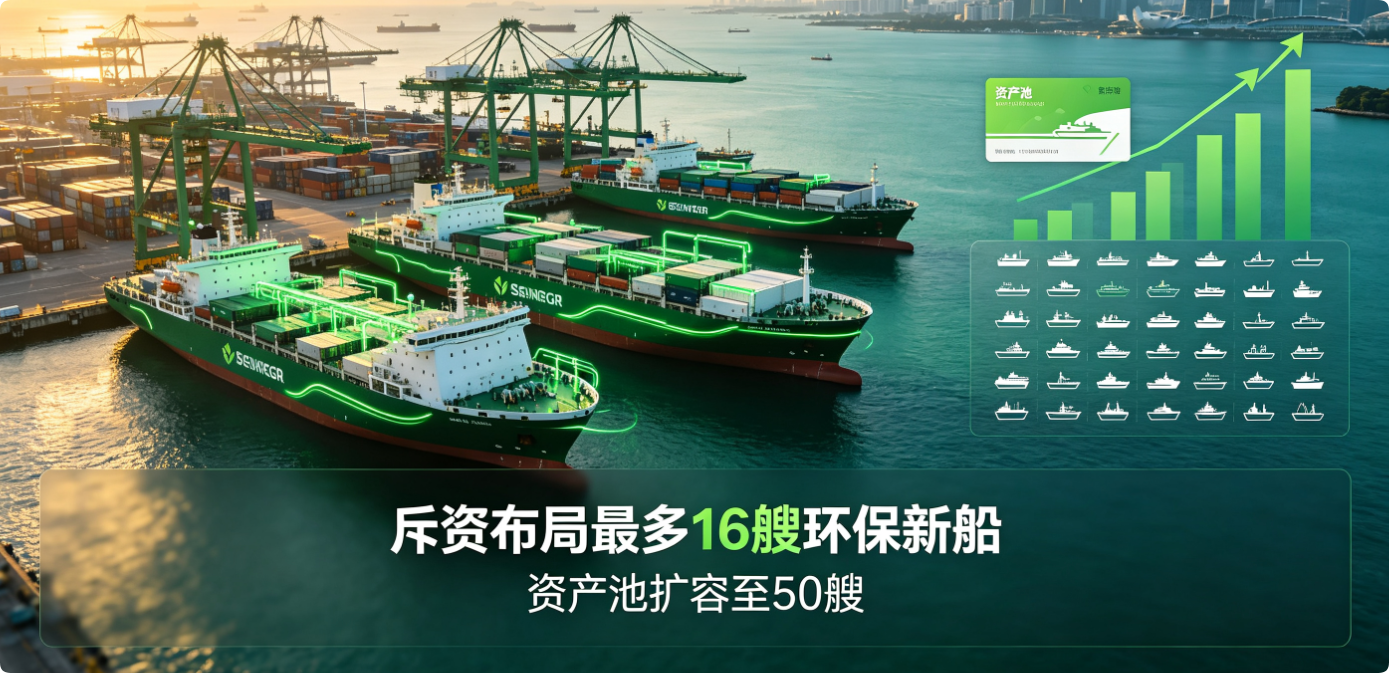
Including the up to 16 new vessels, Yangzijiang Maritime's total firm and option ships under construction now exceed 50, forming a diversified vessel asset portfolio.
The company adopts a parallel strategy of "existing asset replacement plus low-carbon newbuilding expansion," having previously sold 4 medium-sized tankers in a package, raising $180 million, all of which will be used to pay for the new ships, reducing external financing reliance through asset rollover.
III. Funding and Return Logic
- Solid Financial Foundation
The company holds over $400 million in cash with no interest-bearing debt, placing its balance sheet at an industry-leading level. It can later moderately use low-cost tools like ship mortgages and convertible bonds to leverage project returns and improve overall asset IRR.
- Stable Long-Term Returns
After delivery, new vessels will be matched with long-term charters from global cargo owners and shipping companies, locking in stable rental cash flows for 3-8 years, hedging against short-term freight rate volatility in dry bulk and tanker markets. The company aims to boost its leasing business's blended internal rate of return to 20%-30% through fleet expansion.
- Significantly Lower Compliance Costs
All new ships are equipped with energy-saving engines and exhaust treatment systems, requiring no additional investment for future global carbon tax policies; compared to older fuel-powered ships, long-term emission compliance costs are substantially reduced.
IV. Strategic Significance of Business Layout
- Completing category coverage: simultaneously covering dry bulk, refined oil, and ocean crude oil transport to diversify single-sector cyclical risks;
- Deepening Southeast Asian shipping market: capturing incremental import/export volumes of minerals, grains, and chemicals driven by "China + 1" capacity relocation;
- Aligning with Singapore's green shipping policies: leveraging SGX-listed status to enjoy green maritime credit subsidies and tax incentives, reducing low-carbon fleet expansion costs.
V. Industry Outlook
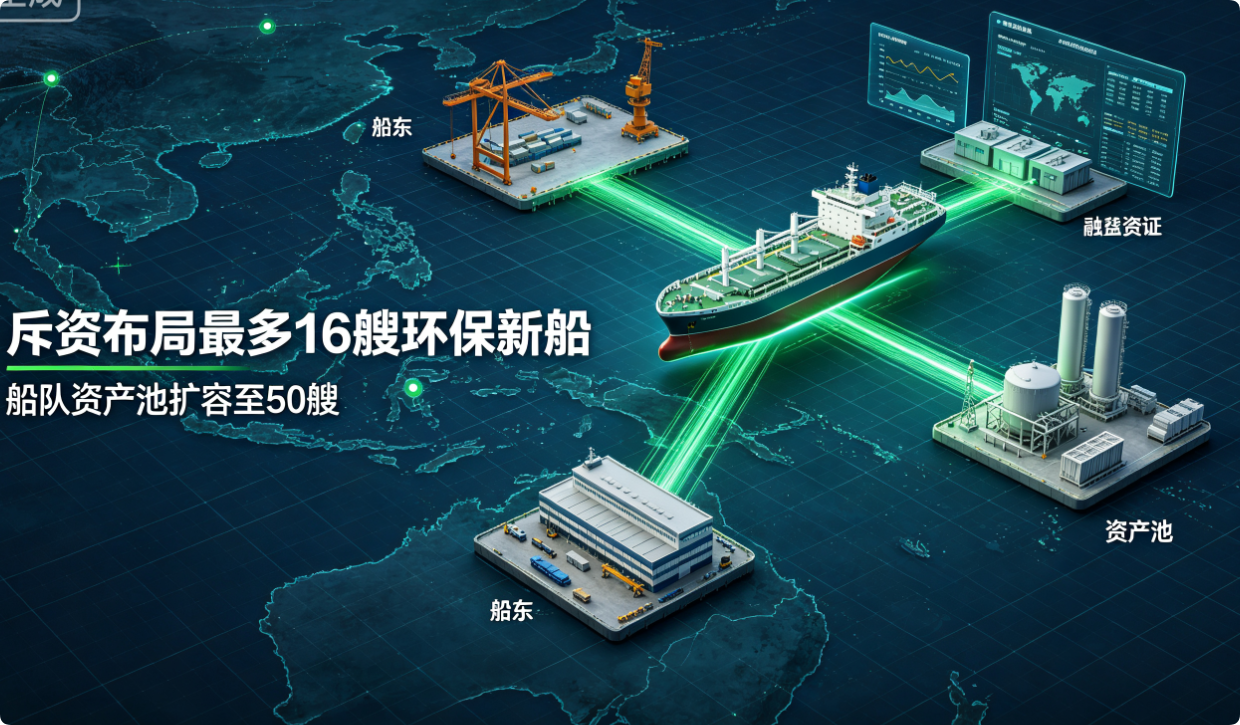
Market analysts believe the global shipping low-carbon retrofit window is concentrated in 2027-2030, with accelerated scrapping of old vessels and sustained demand for eco-friendly secondhand and newbuilding charters.
With ample cash reserves and batch order cost advantages, Yangzijiang Maritime continues to expand its ship leasing asset scale, forming differentiated competitiveness among SGX shipping stocks. In the medium to long term, shipping leasing companies with large low-carbon fleets and long-term charter support are expected to attract allocation from sovereign funds and Asia-Pacific asset managers.
H2 Sector Catalysts
- The company will opportunistically exercise option vessel building rights, further expanding fleet size;
- After batch new ships are delivered, dedicated ship leasing financing tools or maritime asset securitization programs may be launched;
- Lengthening Middle East crude oil shipping distances and recovering Southeast Asian bulk trade will continue to push up eco-ship charter rates.